1
Review the account history in your CRM before writing
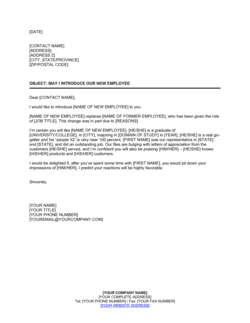
Pull up each customer's account in your CRM to note tenure, last purchase, open issues, and any standing preferences. Personalize at least one detail per letter based on what you find.
π‘ A single account-specific detail β 'I see you've been with us since 2019' β dramatically increases the chance the customer responds.
2
Personalize the salutation and opening line
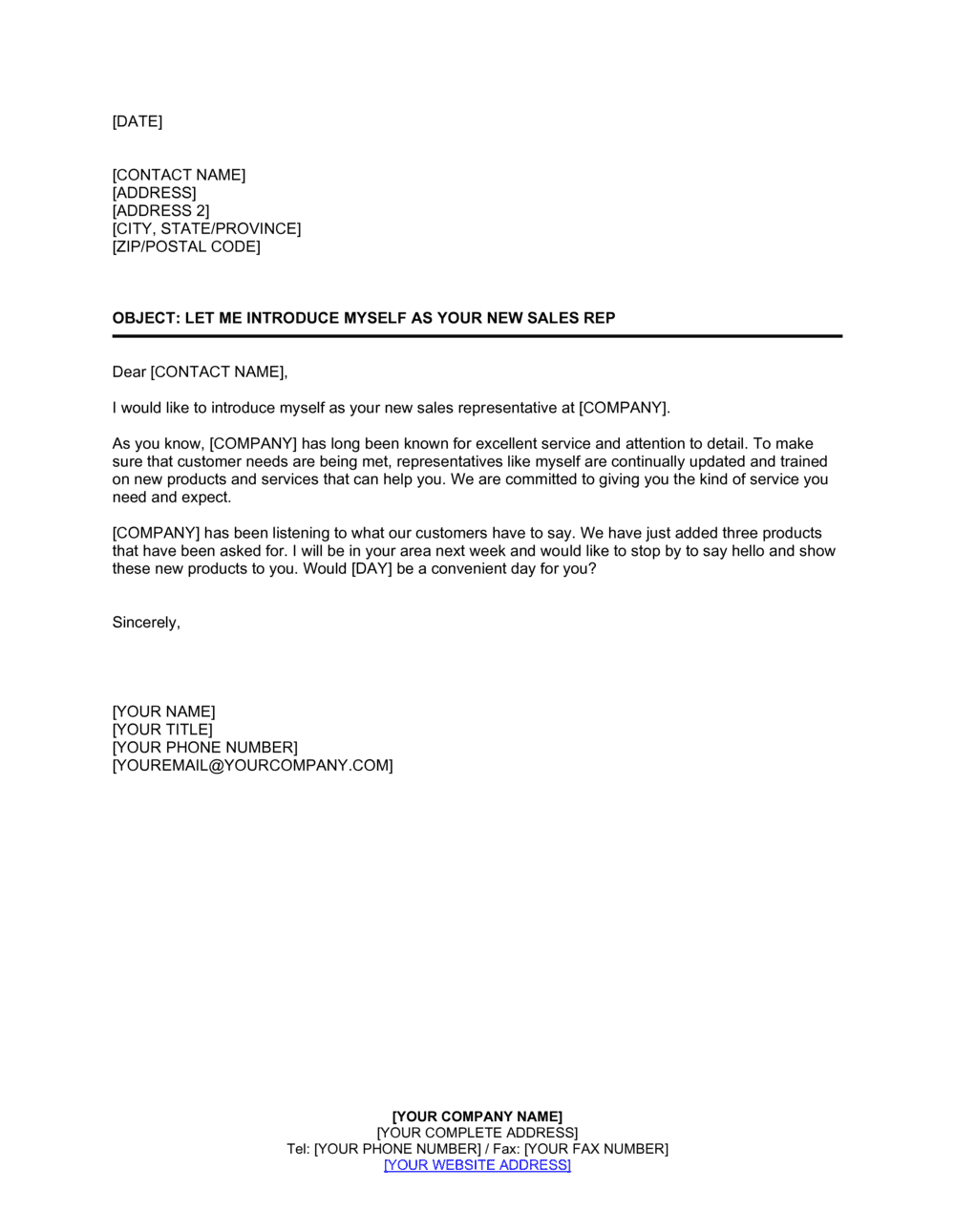
Replace [CUSTOMER FIRST NAME] with the actual contact name. If you are unsure of the correct contact, call accounts payable or reception first rather than sending a generic 'Dear Valued Customer' version.
π‘ When a customer has multiple contacts, address the letter to the primary decision-maker and CC the day-to-day contact.
3
Write your two-sentence professional introduction
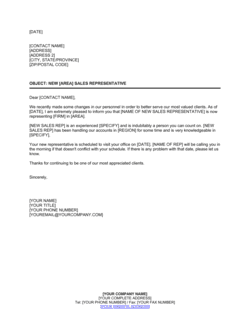
State your name, the most relevant part of your background (industry experience or a specific skill), and when you joined. Keep it to two or three sentences β the focus is the customer, not your biography.
π‘ Lead with industry experience that mirrors the customer's sector β it signals immediately that you understand their world.
4
Decide whether to reference your predecessor
If the predecessor left on good terms and had a strong relationship with the account, name them and acknowledge the work they did. If the transition involves a sensitive departure, keep the reference brief or omit it.
π‘ When in doubt, a neutral statement β 'I'm taking over this account and look forward to continuing the strong relationship' β works without naming the predecessor.
5
Write one specific commitment
Replace generic promises with one concrete commitment: your response time, a specific customer goal you'll focus on, or your availability for on-site visits. Specific commitments are memorable; vague ones are not.
π‘ Match your commitment to what the account history tells you the customer values most β fast response, product expertise, or proactive check-ins.
6
Add a clear, low-friction call to action
Propose a specific next step β a 15-minute introductory call, a site visit, or a reply to confirm receipt. Offer a specific time window (e.g., 'in the next two weeks') rather than an open-ended 'whenever works for you.'
π‘ Including a Calendly link or a direct dial number alongside the email reduces friction and increases the response rate.
7
Proofread and export as PDF or send as Word
Read the letter aloud to catch awkward phrasing. Confirm all [PLACEHOLDERS] have been replaced. Export as PDF for a polished look if mailing a physical copy, or send as a Word attachment for email.
π‘ Send the letter within your first five business days in the role. Customers who hear from their new rep quickly are significantly less likely to use the transition as an opportunity to evaluate competitors.